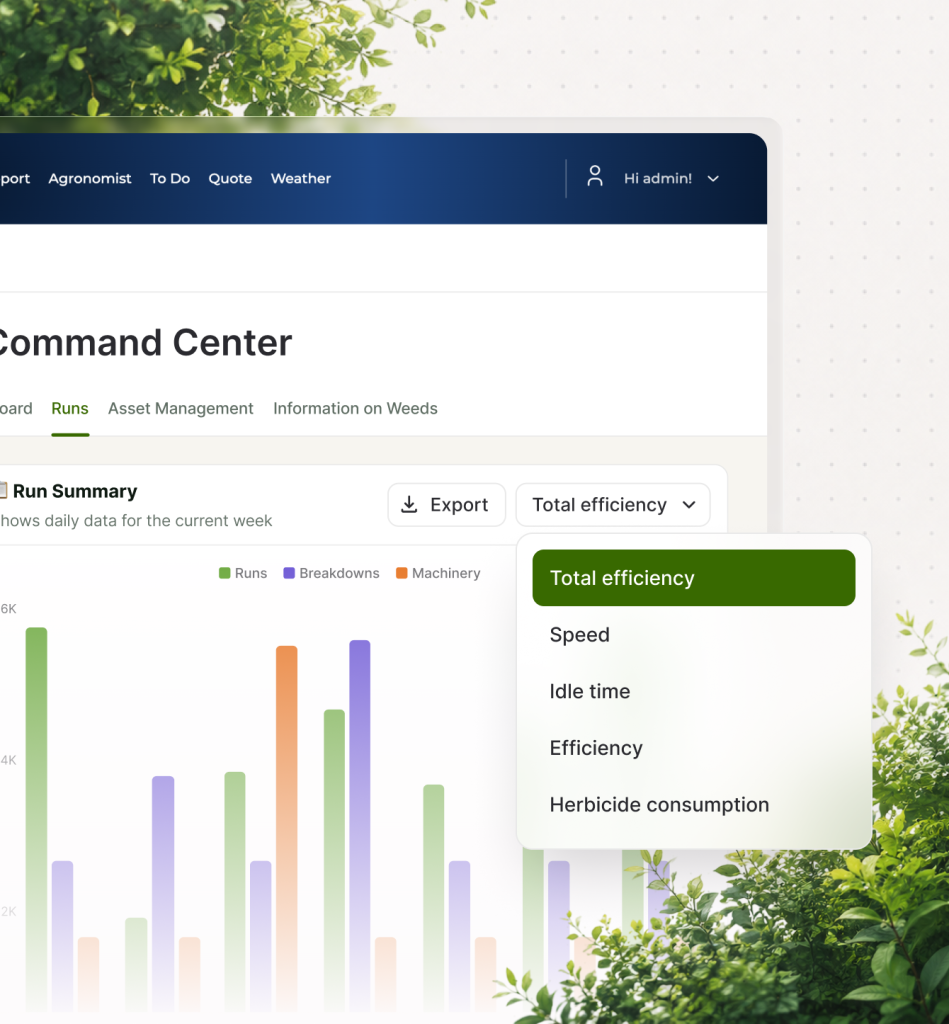
Multi-tier global supply networks
Organizations working with multiple suppliers, regions, and logistics providers often have a vast field of optimization opportunities when it comes to visibility and data consistency. This is where a tailored supply chain visibility platform combined with integration layers can help with better collaboration, increasing productivity.
Regulated supply chains
Industries operating under compliance requirements, particularly EU regulations, often need more than basic tracking — they require structured, auditable data flows across product lifecycles. Supply chain traceability and compliance systems, including DPP capabilities, help standardize how product data is managed across multiple stakeholders.
Fast-moving demand-driven industries
Retail, manufacturing, and distribution environments, with fluctuating demand being a usual challenge, often depend on how quickly planning and execution can adapt. In such cases, big positive impact can be expected from implementing demand forecasting tools in combination with analytics-driven supply chain optimization.
Fragmented legacy supply chain ecosystems
When an organization operates across multiple systems aggregated over time during different periods in the company history, a big opportunity lies in reducing reconciliation effort. Within integration-first supply chain orchestration, systems can be synchronized so you get an operational “backbone” without having to replace legacy systems.



 #Booking